Biologics Lyophilization Tech Transfer: Peptides and Proteins from Pilot to GMP
A biologics technology-transfer framework connecting product evidence, equipment characterization, engineering batches, and Command GMP lyophilizers.
GMP Freeze Dryer
Short answer: biologics lyophilization technology transfer is not a copy-and-paste exercise. Keep the product quality target and justified process intent, then compare the development and receiving freeze dryers as heat- and mass-transfer systems. Vial heat transfer, product resistance, chamber pressure, vapor-path conductance, condenser and refrigeration duty, loading, edge effects, endpoint, and data must all be reviewed before transferring peptides, proteins, vaccines, or other biologics into GMP production.
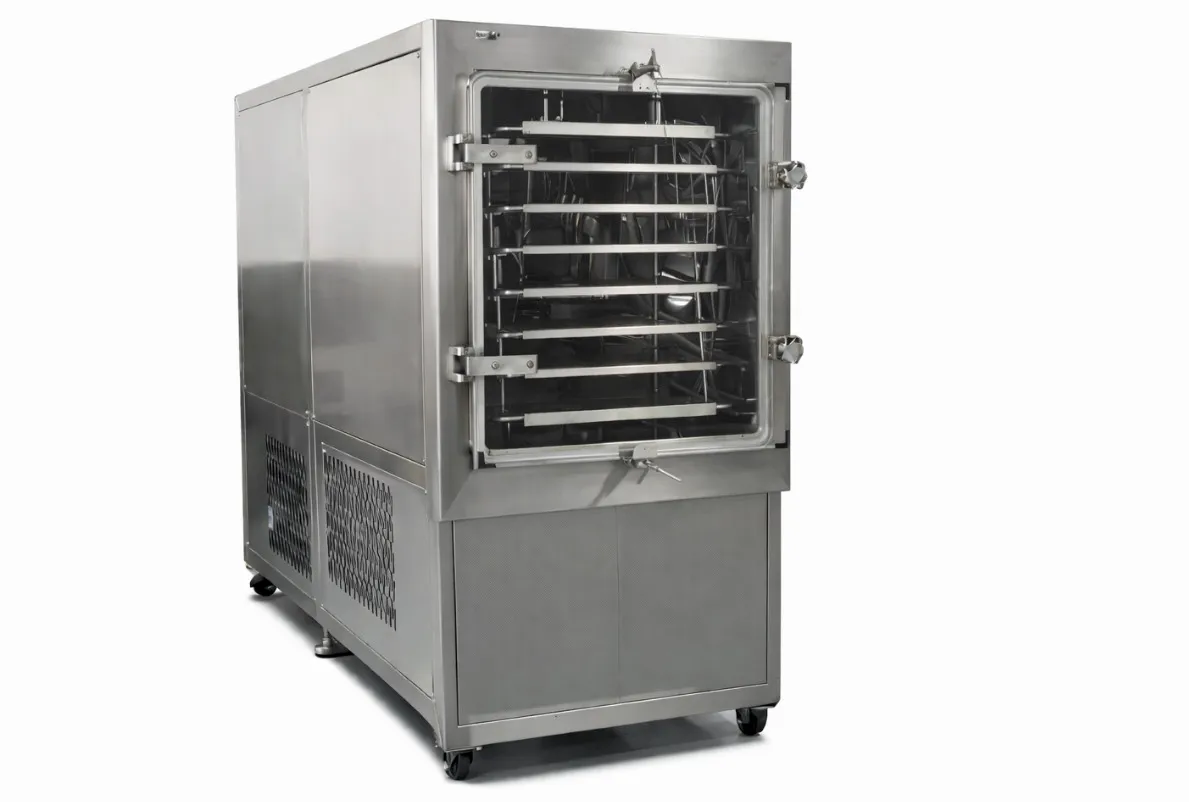
This article targets biologics lyophilizer, biologic freeze dryer, lyophilization technology transfer, protein lyophilization scale-up, and peptide lyophilization scale-up. For formulation work, use the separate protein lyophilization guide and peptide cycle-development guide. Here the focus is the evidence needed to move an established process.
Transfer the design space, not just three setpoints
A recipe file usually contains shelf temperature, chamber pressure, and time. A transferable process also includes the product-temperature limit, vial and load assumptions, expected sublimation behavior, endpoint logic, and acceptable product results. The receiving dryer may need different operational settings to create an equivalent product history.
| Transfer variable | Development evidence | Receiving-dryer question |
|---|---|---|
| Formulation and container | Critical temperatures, fill, vial, stopper, CQAs | Are component geometry and thermal conditions represented? |
| Vial heat transfer | Product-temperature profiles, edge and center behavior | How do shelf contact, radiation, door, wall, and load differ? |
| Product resistance | Primary-drying behavior and justified process margin | Can the new heat input stay below the product limit? |
| Pressure measurement and control | Gauge type, range, control response, partial loads | Are pressure values and dynamics comparable? |
| Vapor path and condenser | Peak sublimation estimate, ice load, endpoint | Can vapor move and condense without choking or pressure rise? |
| Loading and nucleation | Load map, freezing history, representative minimum/maximum | Will loading density, airflow before freezing, and nucleation change? |
| Product quality | Assay, potency, purity, moisture, cake, reconstitution, stability | What comparability package will approve the transfer? |
Command platforms for biologics technology transfer
Choose a receiving lyophilizer from the proven process envelope and load, then characterize the differences between development and production equipment before the first valuable GMP batch.
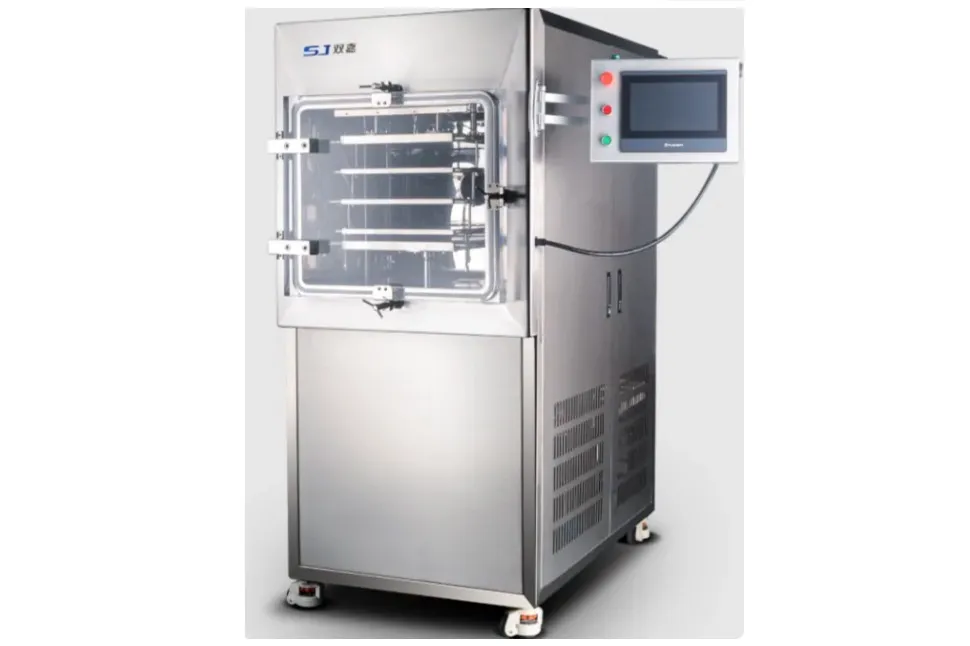
Command SJ-50F(T)
Clinical and compact biologics batches
0.5 m2 shelf area
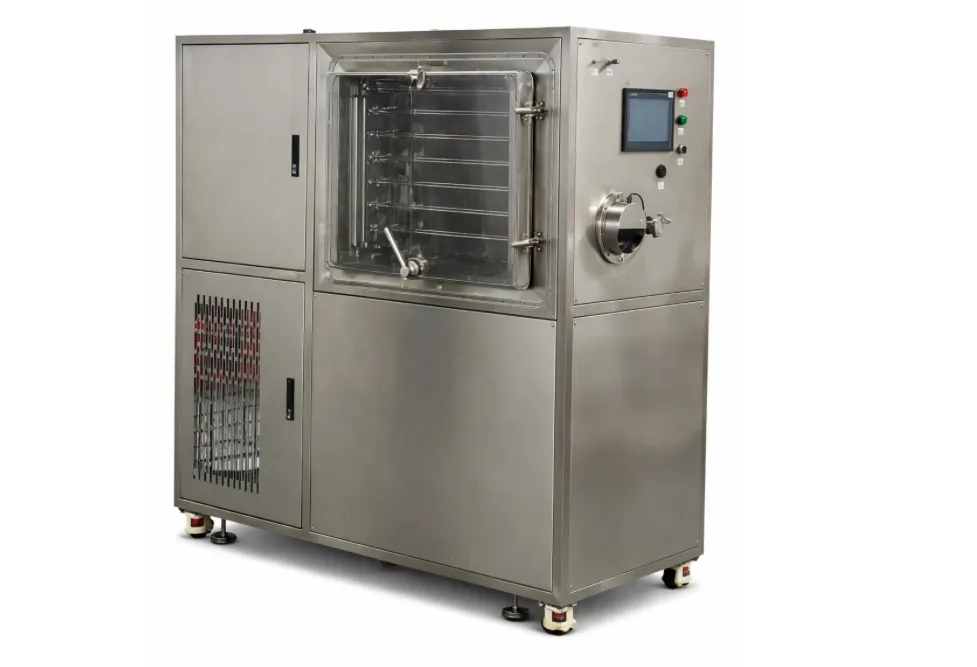
Command SJ-100F(T)
Small-batch GMP technology transfer
1.0 m2 shelf area
Command SJ-200F(T)-30L
Intermediate vial loads and production scale-up
2.16 m2 shelf area
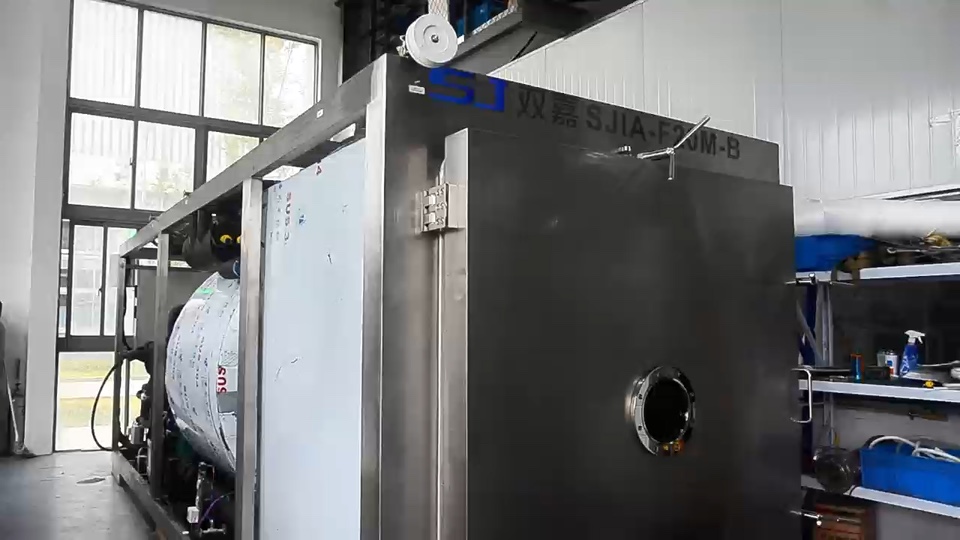
SJ-Command F25M Pharmaceutical Freeze Dryer
Engineered production-scale pharmaceutical projects
24.48 m2 shelf area
Match the transfer plan to the biologic
| Product family | Typical development focus | Transfer risk to challenge |
|---|---|---|
| Peptides and peptide APIs | Partial-load control, solvent or buffer compatibility, residual moisture | Pressure hunting, cleaning, moisture distribution, long cycles |
| Proteins and enzymes | Aggregation, activity, interfacial stress, reconstitution | Product-temperature excursions and vial-location effects |
| Vaccines and antigens | Potency, formulation stress, vial closure, aseptic process | Freezing history, stoppering, sterile interface, batch evidence |
| Antibodies and other biologics | Concentration, cake resistance, particles, stability | High product value, high resistance, edge effects, endpoint |
| Diagnostics and reagents | Small fill, rapid reconstitution, functional performance | Very low vapor load, dosing uniformity, container geometry |
These are investigation areas, not universal failure modes. Each molecule and formulation needs its own acceptance criteria and analytical methods.
Characterize both freeze dryers before the transfer batch
- shelf dimensions, spacing, loading field, temperature range, ramp capability, inlet/outlet behavior, and mapping;
- chamber volume, wall and door geometry, shelf emissivity, edge-vial exposure, and loading method;
- vacuum gauges, control valve or gas admission, calibration range, control stability, and leak-rate baseline;
- chamber-to-condenser duct, isolation valve, condenser surface and temperature under load, ice capacity, defrost, and refrigeration reserve;
- product probes and PAT options, data frequency, recipe logic, alarms, audit trail, batch report, and endpoint method;
- stoppering, backfill, cleaning, CIP/SIP, sterile interfaces, utilities, and qualification status.
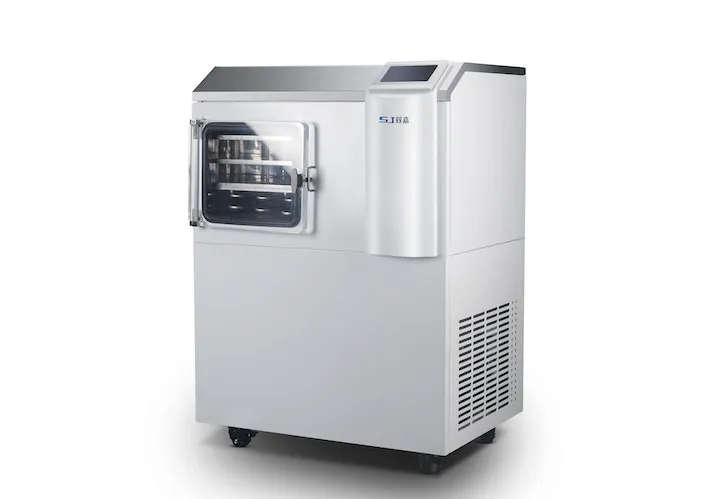
A three-stage transfer package
- Paper and data comparison: freeze the formulation, component, load, sampling, analytical, and acceptance assumptions. Compare equipment and identify high-risk differences.
- Engineering confirmation: run representative load or justified surrogate work to verify freezing, pressure control, product-temperature margin, vapor handling, endpoint, stoppering, and data capture.
- GMP confirmation: execute the approved protocol, sample locations that test edge and center behavior, review deviations and alarms, and connect process data to the product-quality and stability program.
A full-load run is not always the only worst case. Minimum load can challenge pressure control; maximum fill or ice load can challenge the vapor path and condenser; edge locations can challenge heat transfer. Define worst cases from risk and data.
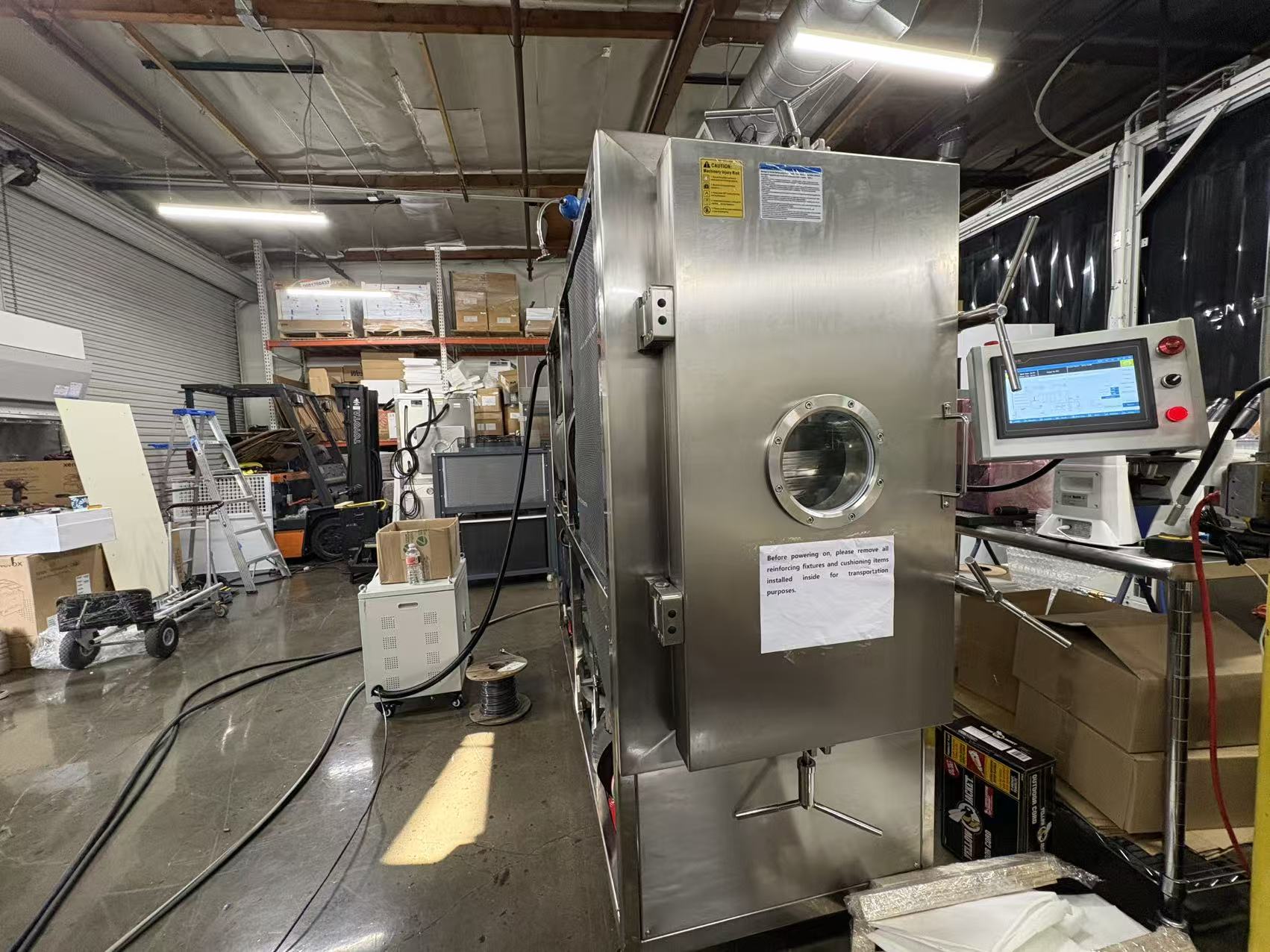
Use field evidence without overstating it
A delivered machine, successful vacuum test, shelf check, and operator handover demonstrate installation and commissioning activities. They do not prove that every peptide or protein formulation is validated. The U.S. 13-shelf installation report deliberately separates equipment commissioning from customer IQ/OQ/PQ and process validation.
For regulated technology transfer, the audit trail should connect what was planned, what was run, what changed, how the product responded, and who approved the conclusion. Review the GMP peptide validation and scale-up checklist and GMP freeze-dryer validation guide.
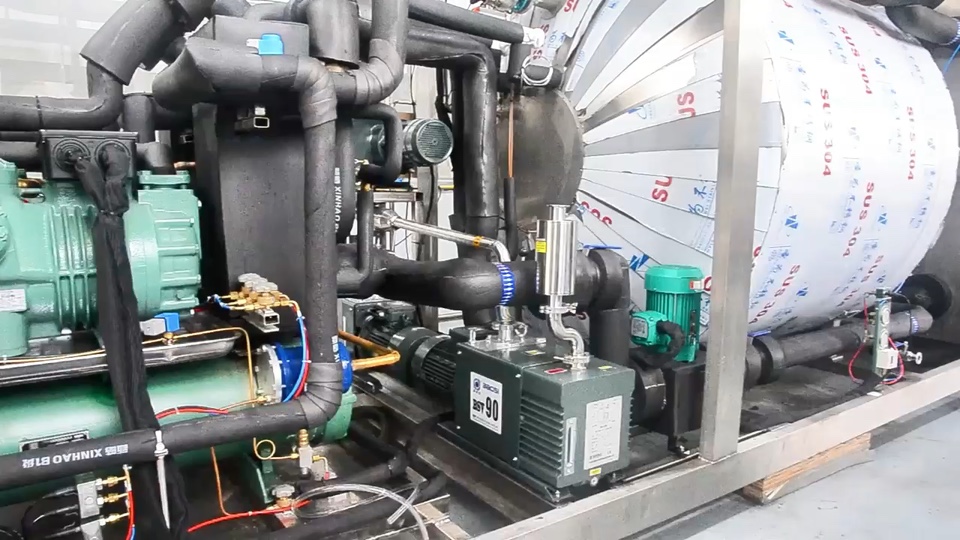
Send this transfer brief with the RFQ
- biologic class, formulation stage, container and stopper drawings, fill range, and batch quantities;
- development dryer model, shelf and chamber geometry, pressure gauges, condenser, load map, and current recipe;
- known critical temperatures, product-temperature data, primary-drying margin, endpoint evidence, and CQAs;
- minimum, normal, and maximum load; total water or solvent; cycle frequency and turnaround target;
- receiving facility, cleanroom interface, loading, stoppering, backfill, cleaning, CIP/SIP, and containment;
- engineering-batch plan, sampling map, comparability tests, FAT/SAT, IQ/OQ/PQ, data integrity, and service scope.
Review the Command GMP lyophilizer range, the peptide freeze-dryer solution, and the pharmaceutical freeze-dryer solution, or send a biologics transfer brief.
Technical references
Frequently asked questions
What is biologics lyophilization technology transfer?
It is the controlled movement of a biologic freeze-drying process and its product-quality evidence from one equipment and site context to another, with equipment differences assessed and the receiving process confirmed.
Can shelf temperature and chamber pressure be copied during scale-up?
They are starting information, not proof of equivalence. Product temperature, vial heat transfer, product resistance, pressure measurement, vapor flow, condenser duty, loading, endpoint, and product results must also be compared.
What is the biggest lyophilizer difference during tech transfer?
There is no single biggest difference for every product. Heat transfer, edge radiation, pressure control, vapor-path conductance, condenser and refrigeration duty, loading, nucleation, and controls can each become limiting.
Should minimum load be included in biologics scale-up?
Yes when it is a real operating case. Minimum load can challenge pressure control and representativeness, while maximum fill or ice load can challenge vapor handling and condenser duty.
Which data should accompany a biologics lyophilization RFQ?
Include formulation and container data, development equipment, load map, recipe, product-temperature and endpoint evidence, CQAs, water or solvent load, facility interfaces, cleaning, stoppering, qualification, and transfer protocol.