How to Evaluate a Food Freeze Dryer Manufacturer: RFQ, FAT and Installation
A buyer-side checklist for separating a polished quotation from a food freeze dryer project that can actually be built, tested and installed.
Food Freeze Dryer
Quick answer: Evaluate a food freeze dryer manufacturer by the evidence that connects your product to the machine: a complete RFQ response, approved technical agreement, general-arrangement and utility drawings, identified components, testable acceptance criteria, FAT records, installation responsibilities, training, warranty and spare-parts route. A low price or a long feature list is not enough.
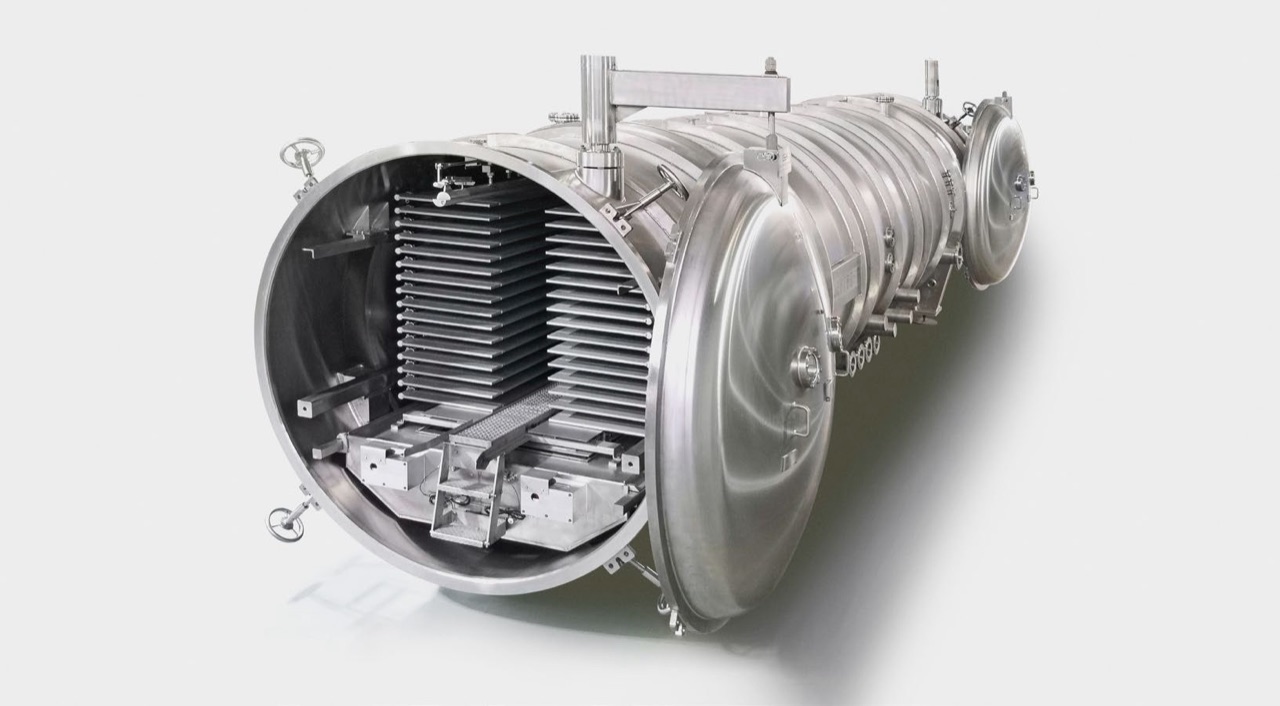
Confirm who sells, who manufactures and who supports the machine
International buyers often meet a brand, an export company and a factory under related names. Put the legal seller, payment beneficiary, manufacturer, factory address, technical contact and after-sales responsibility into the commercial file. This makes certificates, serial numbers, drawings, warranty and spare-parts communication traceable.
For this website, SJ Scientific Limited handles international sales and project contracts. Ningbo Sjia Instrument Co., Ltd. provides manufacturing and engineering support. SJ is the main product prefix; SJIA identifies the manufacturing organization and may appear on factory documents or historical materials.
Send an RFQ that forces comparable answers
A useful request for quotation describes the real food and line, not only “1,000 kg freeze dryer.” Include the prepared material, incoming moisture, piece or layer dimensions, kilograms per tray, target endpoint, desired batches per day, pre-freezing route, packaging rhythm, destination, utilities and required delivery window.
Ask every supplier to return the same schedule. Separate included scope, optional scope, customer-supplied items and exclusions. If one manufacturer quotes a chamber and another quotes chamber, refrigeration, vacuum, carts and controls, the prices are not comparable.
| RFQ item | Evidence to request | Why it matters |
|---|---|---|
| Capacity basis | Shelf area, tray loading, removable water, condenser margin and cycle assumption | Prevents an unsupported kg/batch headline |
| Machine boundary | Scope list and marked process / utility diagram | Shows what is included and what the plant must supply |
| General arrangement | Dimensions, weights, doors, service sides, rigging and maintenance clearance | Allows the building and installation path to be checked |
| Components | Approved make/model or performance class for critical items | Supports serviceability and prevents silent substitution |
| Controls | Sequence, recipes, trends, alarms, users, data export and remote-support scope | Connects daily operation to acceptance testing |
| Documents | Manuals, drawings, certificates, test records, spare list and training deliverables | Defines the handover package before shipment |
Compare platforms only after the RFQ basis is clear
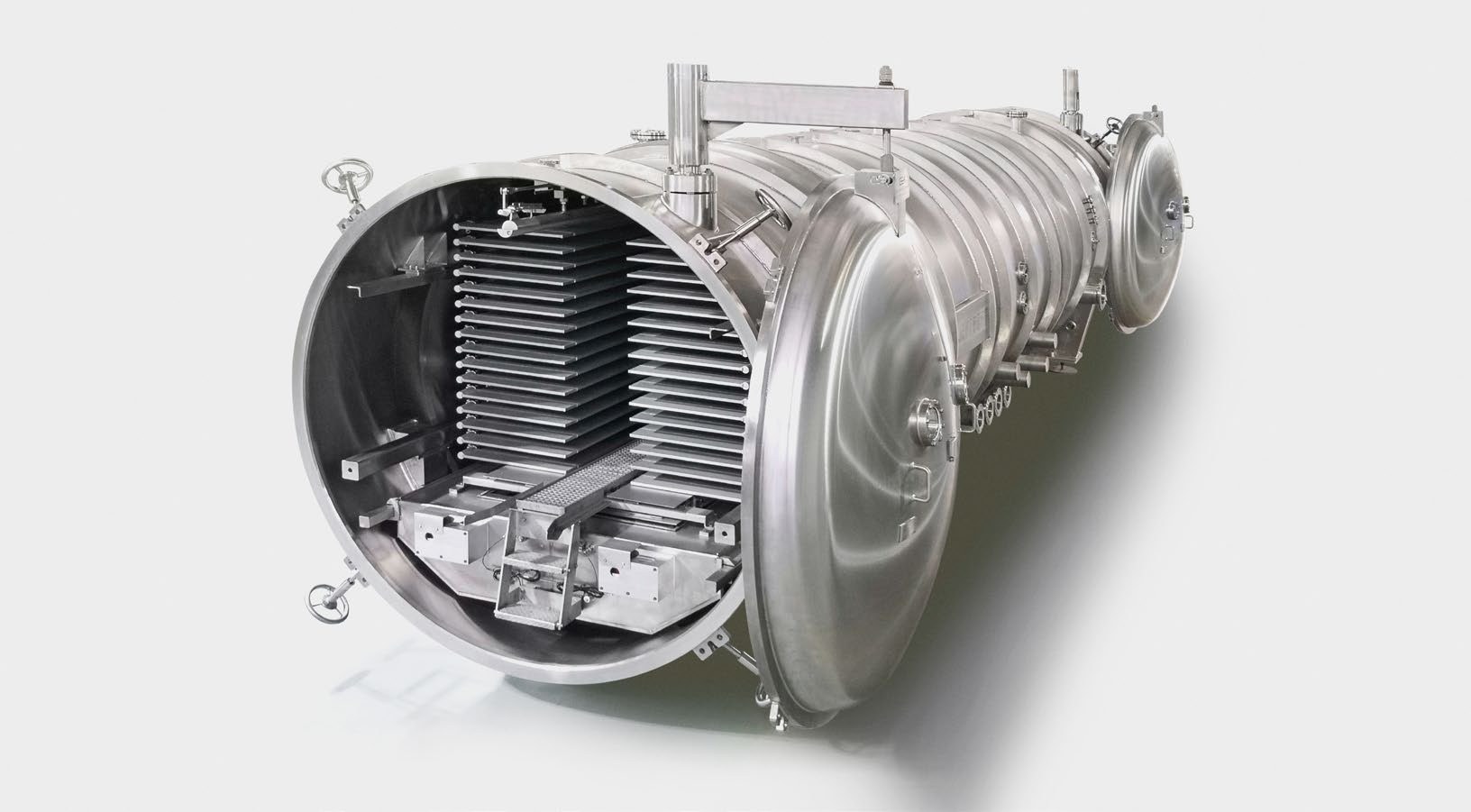
SJ-FFD-50
A practical starting point for an entry industrial line and project FAT discussion.
View model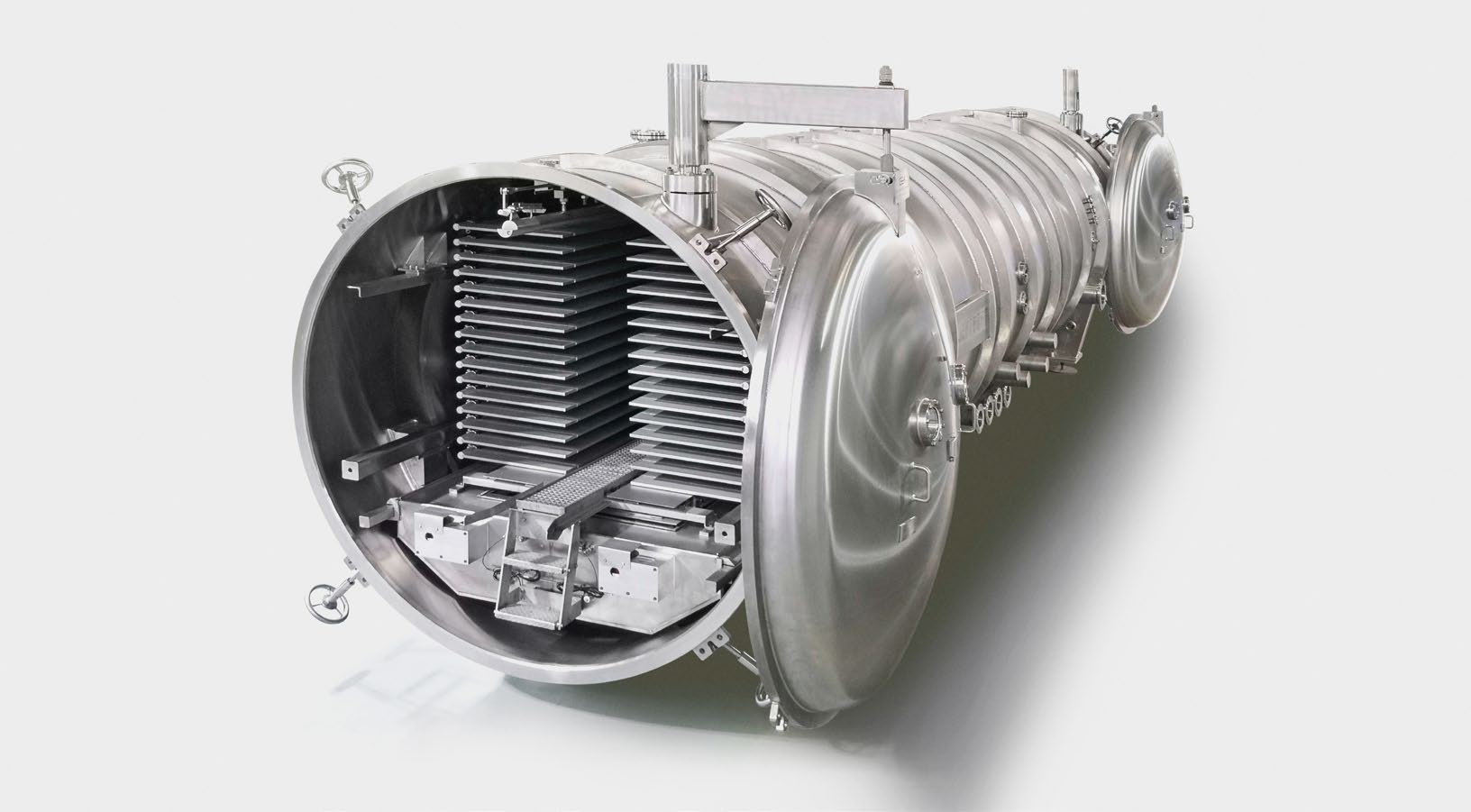
SJ-FFD-100
A 100 m2 platform for a regular production schedule and engineered utilities.
View model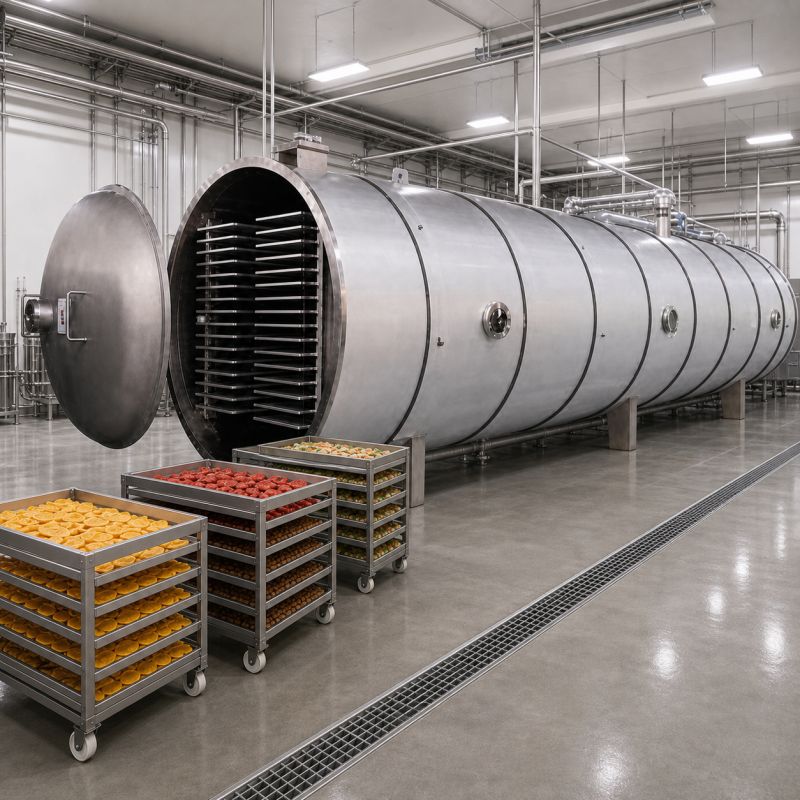
SJ-FFD-200
A 200 m2 platform for large loads, multiple carts and centralized production.
View model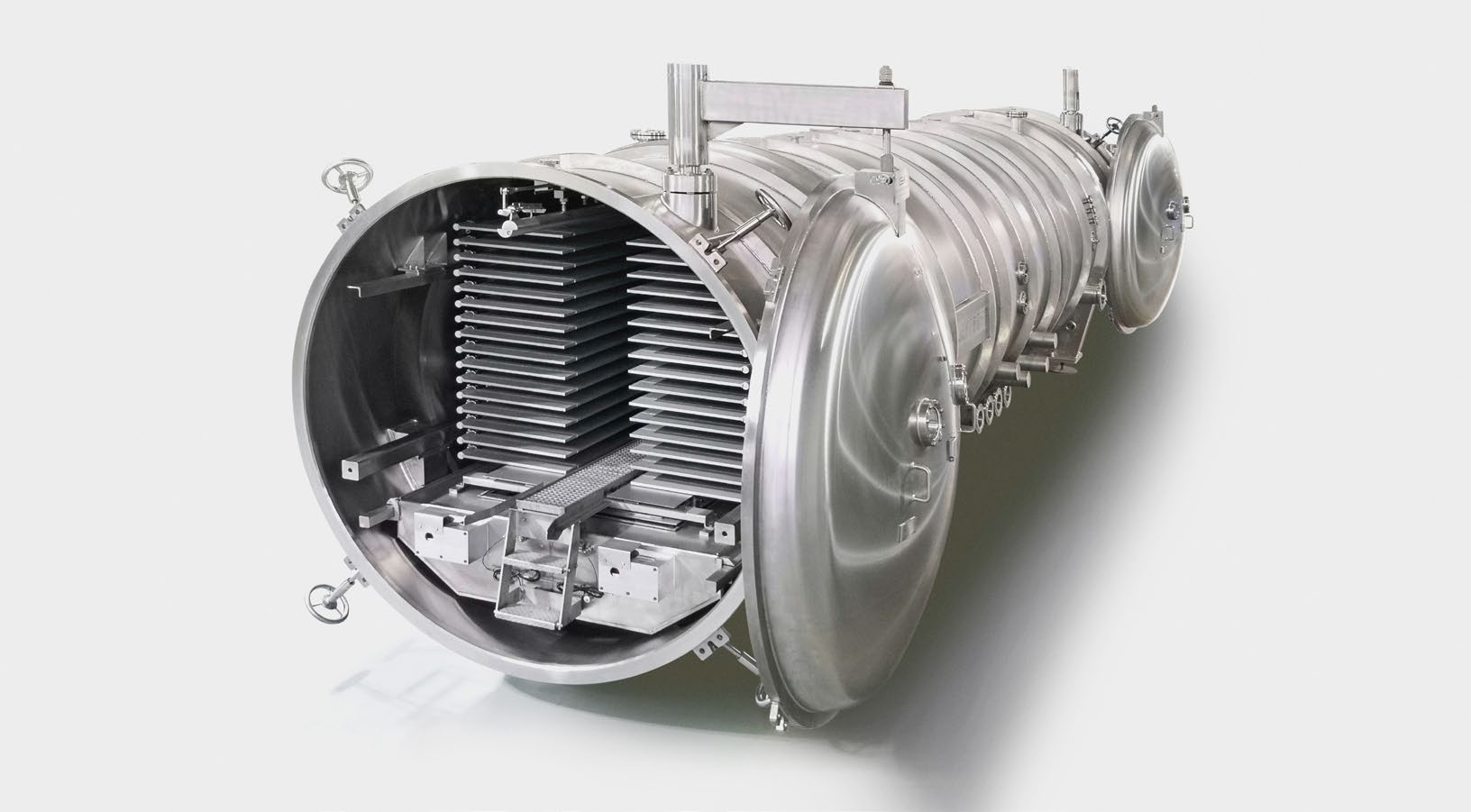
SJ-FFD-250
A 250 m2 platform that requires full building, utility and material-flow review.
View modelTurn the quotation into an approved technical agreement
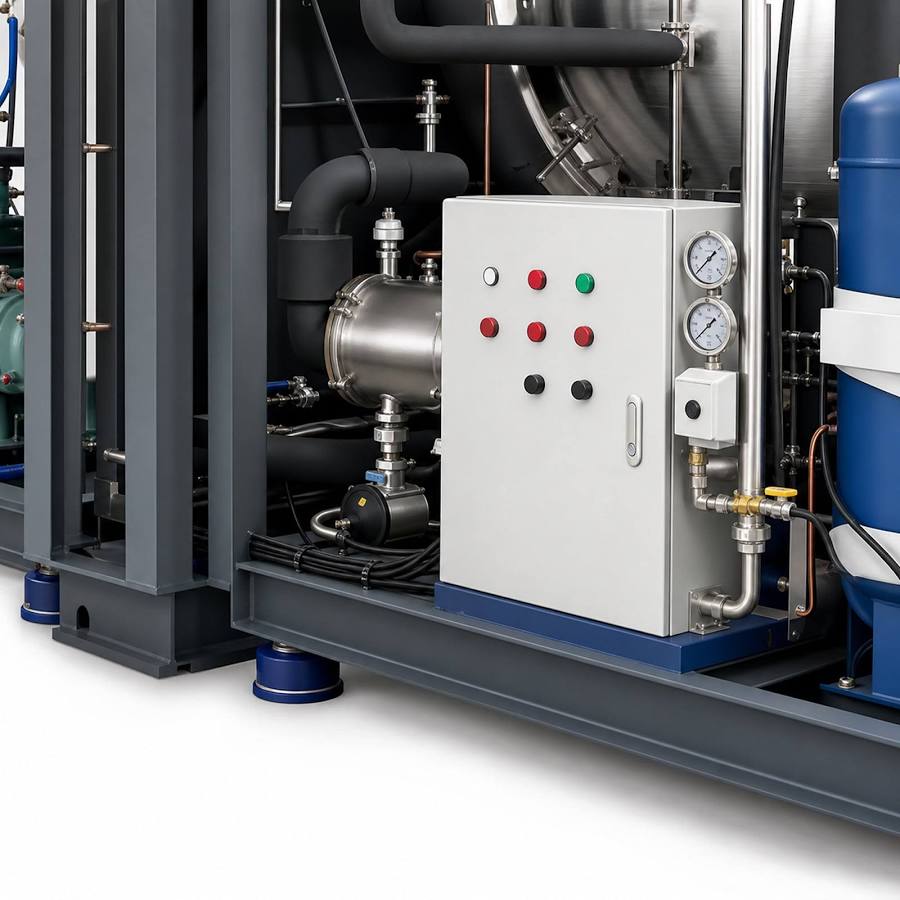
The technical agreement should take priority over general brochures and website text. Freeze the model, usable shelf area, cart and tray arrangement, condenser basis, refrigeration, vacuum pumps, heating or heat-transfer system, controls, utilities, materials, cleaning features, documentation and acceptance criteria.
Record approved alternatives and a change-control route. A critical compressor, pump, gauge, PLC or valve should not be substituted after order without an agreed review. The same discipline applies to dimensions and connection directions because a small factory change can become an expensive site modification.
Write FAT acceptance criteria before the machine is finished
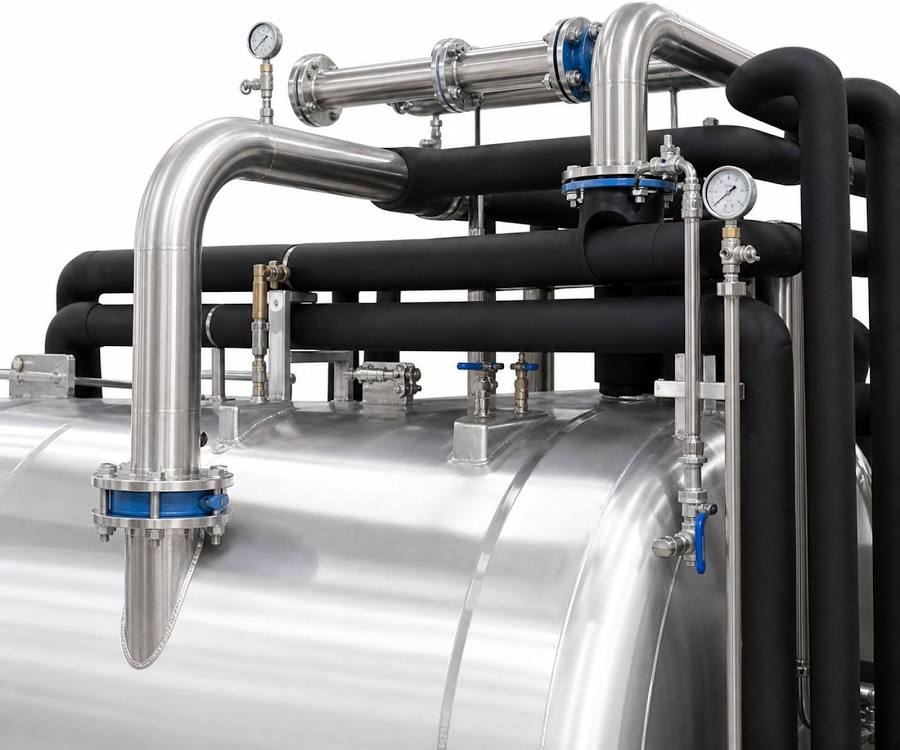
A factory acceptance test is strongest when each test points back to the technical agreement. Typical checks include identity and dimensions, workmanship, electrical and safety functions, sensors, alarms, recipes, manual modes, refrigeration pull-down, vacuum performance, leak behavior, condenser operation, heating circulation, data records and configured interlocks.
An empty-machine FAT proves equipment functions; it does not prove throughput for every food. If a representative frozen load or agreed surrogate test is included, define product or surrogate, loading map, utilities, data to record and acceptance limits before the test. Keep signed results, deviations, photographs and the open-item closure list.
Plan shipment, installation and SAT while the drawings can still change
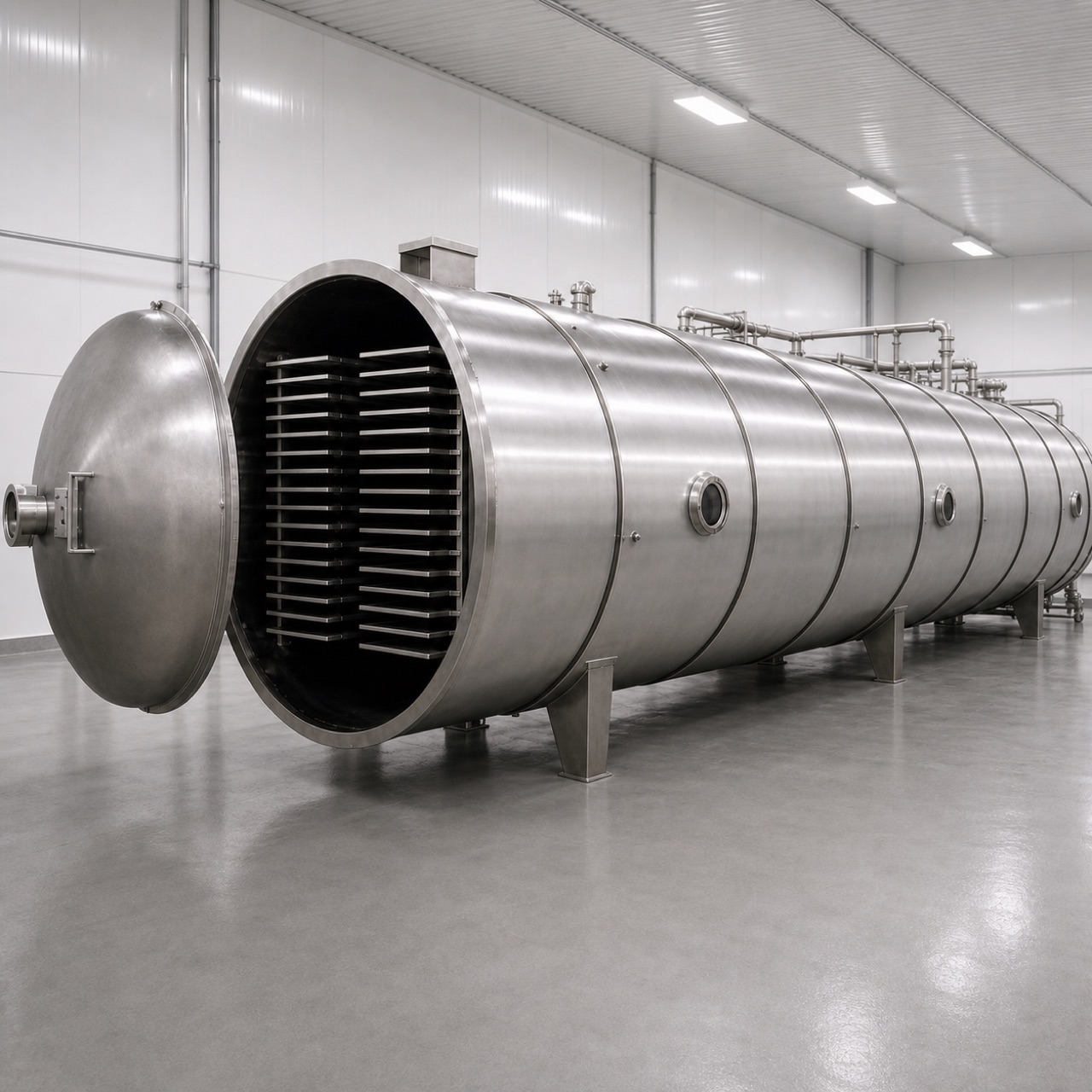
Check container or break-bulk dimensions, lifting points, center of gravity, foundation loads, door openings and the route from unloading to final position. Define who installs piping, cable, cooling, drainage and exhaust, who provides consumables, and who supervises startup.
Site acceptance should confirm that the delivered machine matches the approved file and performs with the site's actual utilities. Record installation checks, I/O and safety checks, no-load functions, operator training and the agreed commissioning run. Product process validation remains the food producer's responsibility.
Evaluate after-sales support before a fault occurs
Ask for the warranty start point, response route, remote-access method, recommended spares, consumables, refrigeration and vacuum service requirements, software backup and escalation contact. Confirm whether common components can be sourced in the destination country and what information must accompany a fault report.
A strong support request includes serial number, alarm, sequence stage, temperature and pressure trends, photographs and recent maintenance. The manufacturer should preserve the relationship between the SJ product model, the SJIA manufacturing record and the delivered serial-number file.
Red flags in a food freeze dryer quotation
- Capacity is stated only as kilograms, with no shelf area, water load or cycle basis.
- The quotation does not identify whether carts, trays, refrigeration, vacuum and controls are included.
- Utilities, dimensions or maintenance access are postponed until after production begins.
- FAT is described as “factory test” without a test list or acceptance criteria.
- Certificates or customer photographs are offered as a substitute for a project-specific technical agreement.
- Warranty, commissioning, software backup and spare-parts responsibilities are unclear.
Use the FFD capacity guide to create the load basis, then send the RFQ inputs to SJ Scientific for a traceable technical response.
Frequently asked questions
What should I send to an industrial food freeze dryer manufacturer?
Send the product, prepared batch and daily load, moisture, dimensions or layer depth, kilograms per tray, target endpoint, cycle frequency, pre-freezing route, packaging rate, utilities, destination and required project scope.
Does an empty-machine FAT prove food throughput?
No. It proves the agreed equipment functions. Throughput depends on the real product, load and cycle; a loaded or surrogate test is meaningful only when its basis and acceptance limits are agreed in advance.
How are SJ Scientific and Ningbo Sjia Instrument related?
SJ Scientific Limited handles international sales and project contracts. Ningbo Sjia Instrument Co., Ltd. provides manufacturing and engineering support for the equipment platform.
What should take priority if a brochure and technical agreement differ?
The signed project technical agreement should control the approved configuration, scope and acceptance criteria. General website and brochure information is for selection context.