Meat and Seafood Freeze Drying at Industrial Scale: Hygiene, Loading and Changeover
A protein-focused guide for meat, seafood, pet-treat and ready-meal projects moving from trial batches to cylindrical FFD systems.
Food Freeze Dryer
Quick answer: Size a meat or seafood freeze dryer from the exact product, not a generic fresh-weight claim. Record species and formulation, raw or cooked status, moisture and fat, piece dimensions, kilograms and depth per tray, pre-freezing, removable water, target moisture or water activity, sanitation controls and packaging. Freeze drying removes water under vacuum; it should not be assumed to be a validated microbial kill step.
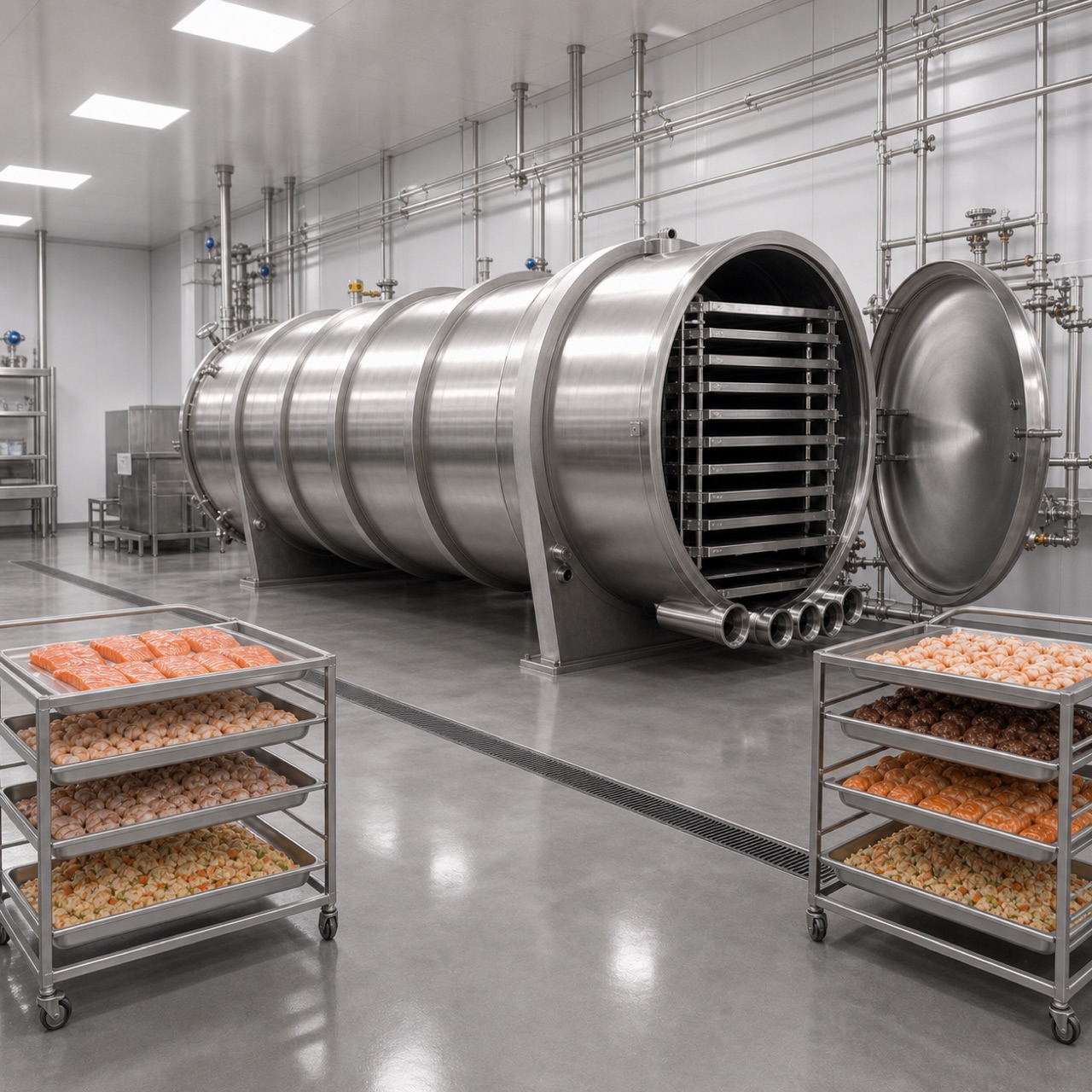
Separate product families before developing one “protein cycle”
Lean fish, fatty fish, shellfish, cooked meat, raw meat, organs, formulated pet treats and mixed ready meals do not behave as one product. Moisture, fat, salt, binders, shape and prior heat treatment change freezing, heat transfer, vapor release, oxidation and cleaning.
Create a product-family matrix. Early trials should use one defined species or formulation, one piece size and one loading depth. Once that baseline is repeatable, the project can test nearby products without hiding differences inside a mixed batch.
| Product family | Important process inputs | Special line questions |
|---|---|---|
| Lean meat or white fish | Piece thickness, initial moisture, tray contact and center endpoint | Raw/cooked separation, drip control and cleaning |
| Fatty fish or organ | Fat distribution, oxidation exposure, surface behavior and package oxygen control | Odor management, cleaning chemistry and changeover verification |
| Formulated pet treats | Recipe, binder, shape, density and kilograms per tray | Pathogen-control plan, ingredient traceability and label claims |
| Seafood or mixed meals | Slowest component, sauce or liquid depth and mixed endpoint | Allergens, segregation, package format and shelf-life study |
Choose the equipment path from trials to industrial FFD
A commercial H model can support product and packaging trials. Move to FFD only after the loading basis, water removal, sanitation workflow and market demand are stable enough to justify carts, separate pre-freezing and factory utilities.
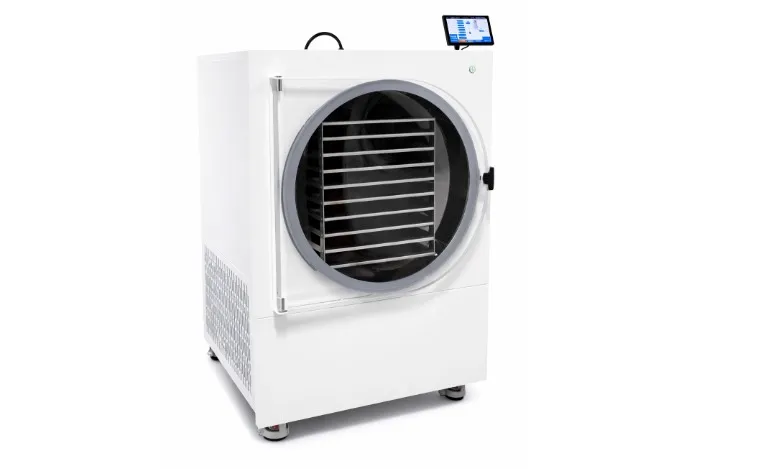
SJ-50H
50-70 kg/batch reference platform for product trials and recurring commercial batches.
View model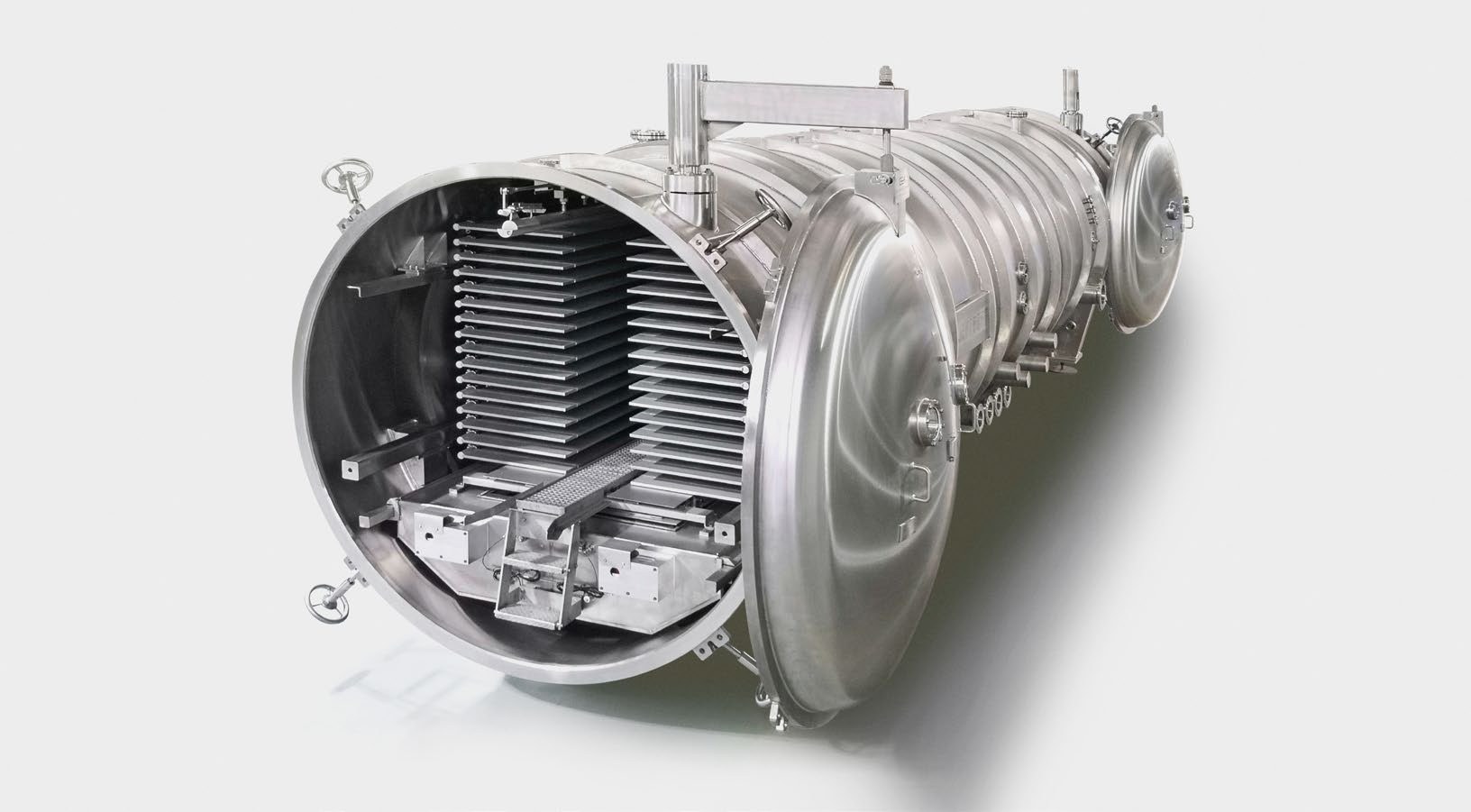
SJ-FFD-50
Entry industrial FFD platform for a defined protein product and sanitation plan.
View model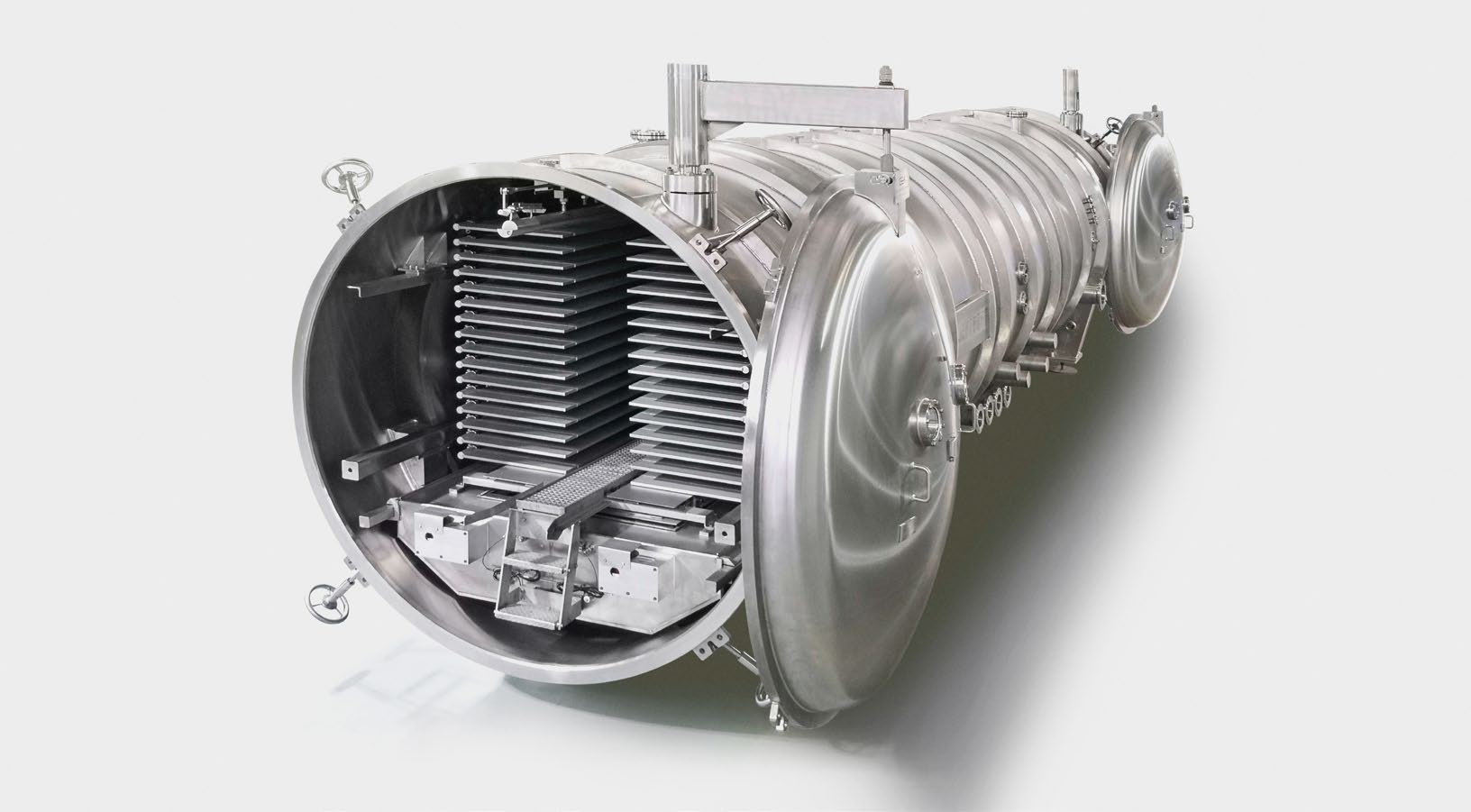
SJ-FFD-100
100 m2 platform for regular meat, seafood, treat or ingredient production.
View model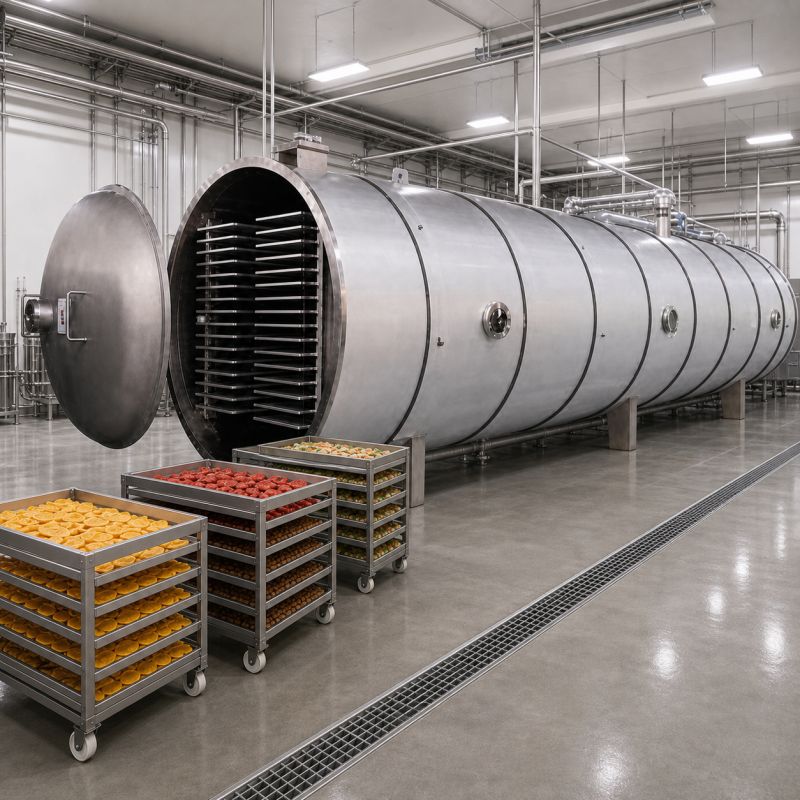
SJ-FFD-200
200 m2 platform for larger protein loads and factory-scale cart workflows.
View modelRepresentative freeze-dried product appearance
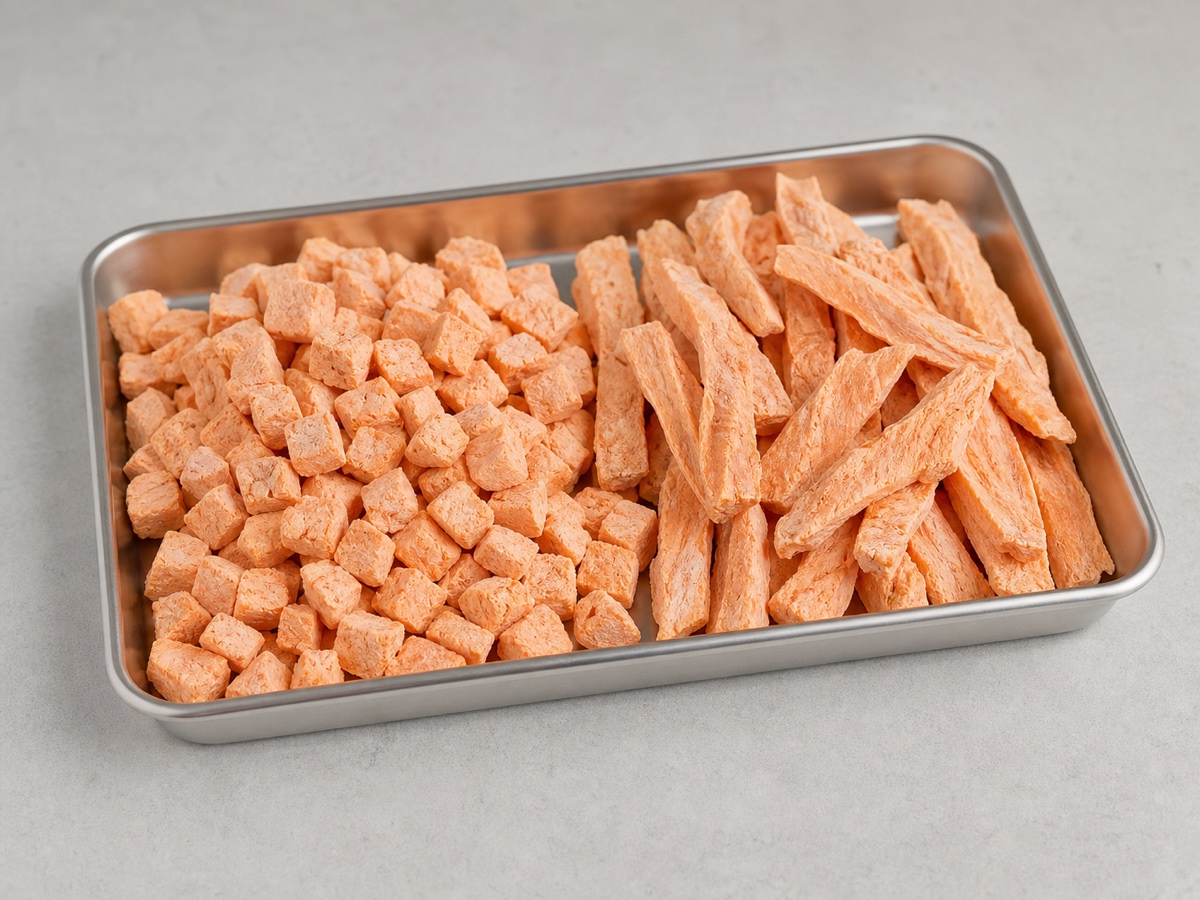
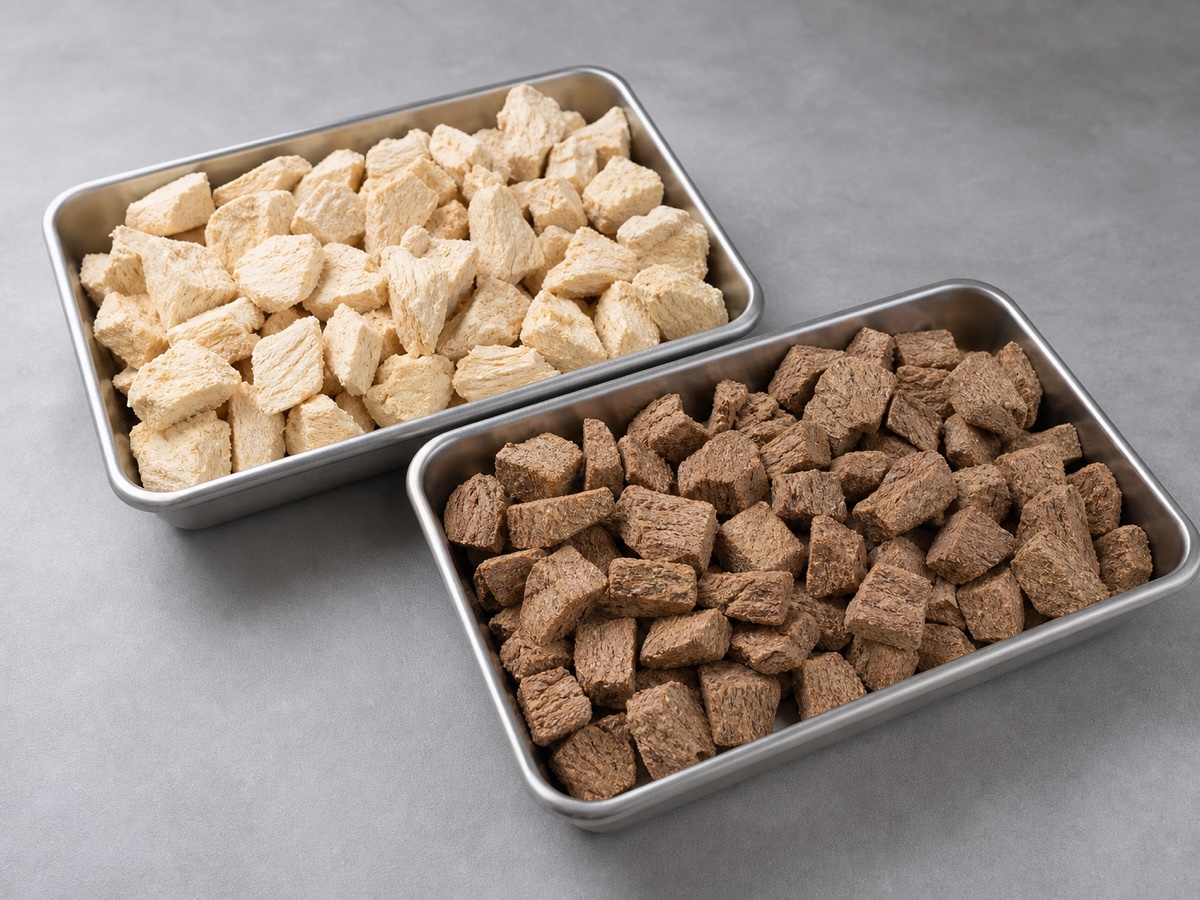
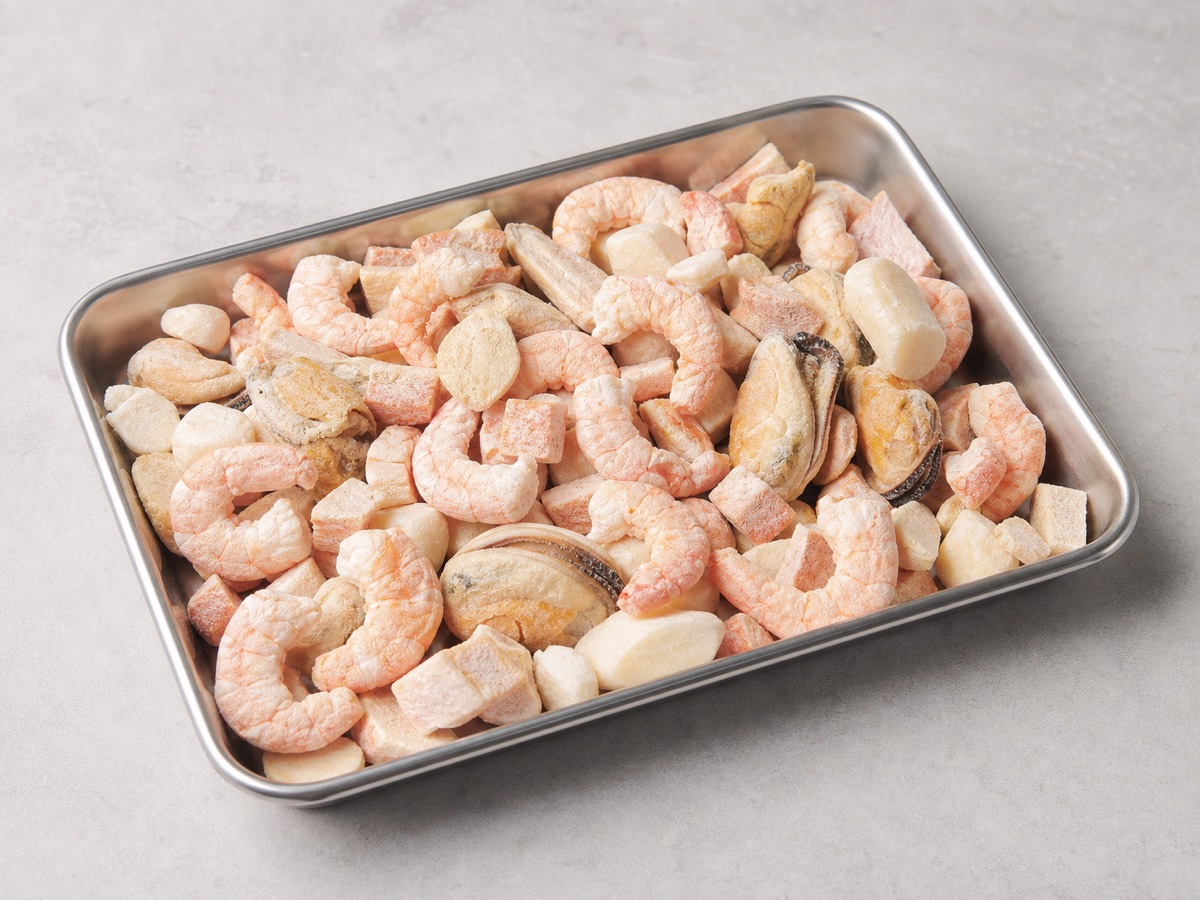
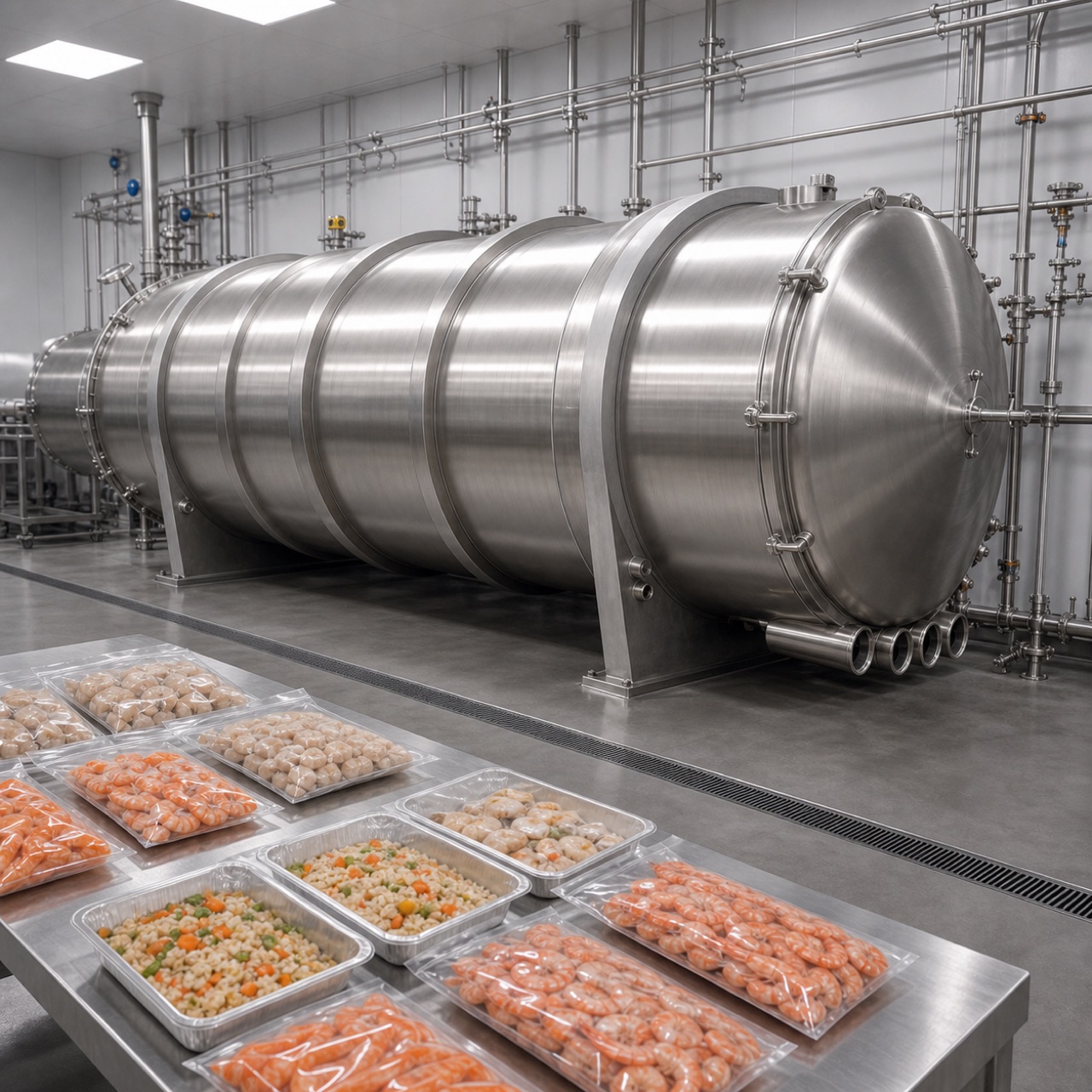
These application illustrations show the dry, porous appearance that may be targeted for salmon, meat-based pet treats and mixed seafood. They are not customer batch records. Final color, shape, texture, residual moisture and water activity depend on the raw material, formulation, piece dimensions, loading and validated cycle.
Food safety is a line responsibility, not a dryer setting
Define receiving controls, raw and cooked zoning, time-temperature limits, cross-contamination prevention, sanitation, environmental or product verification where appropriate, release tests and traceability under the facility's food-safety plan. The FDA notes that raw pet foods can carry pathogens and that refrigeration or freezing does not kill them. Freeze drying should likewise not be treated as a universal lethality step without product-specific validation.
For cooked products, control the transition from the validated heat step to loading. For raw products, use the process controls and qualified review required for the intended market. Equipment materials and cleanability support those controls but do not create them by themselves.
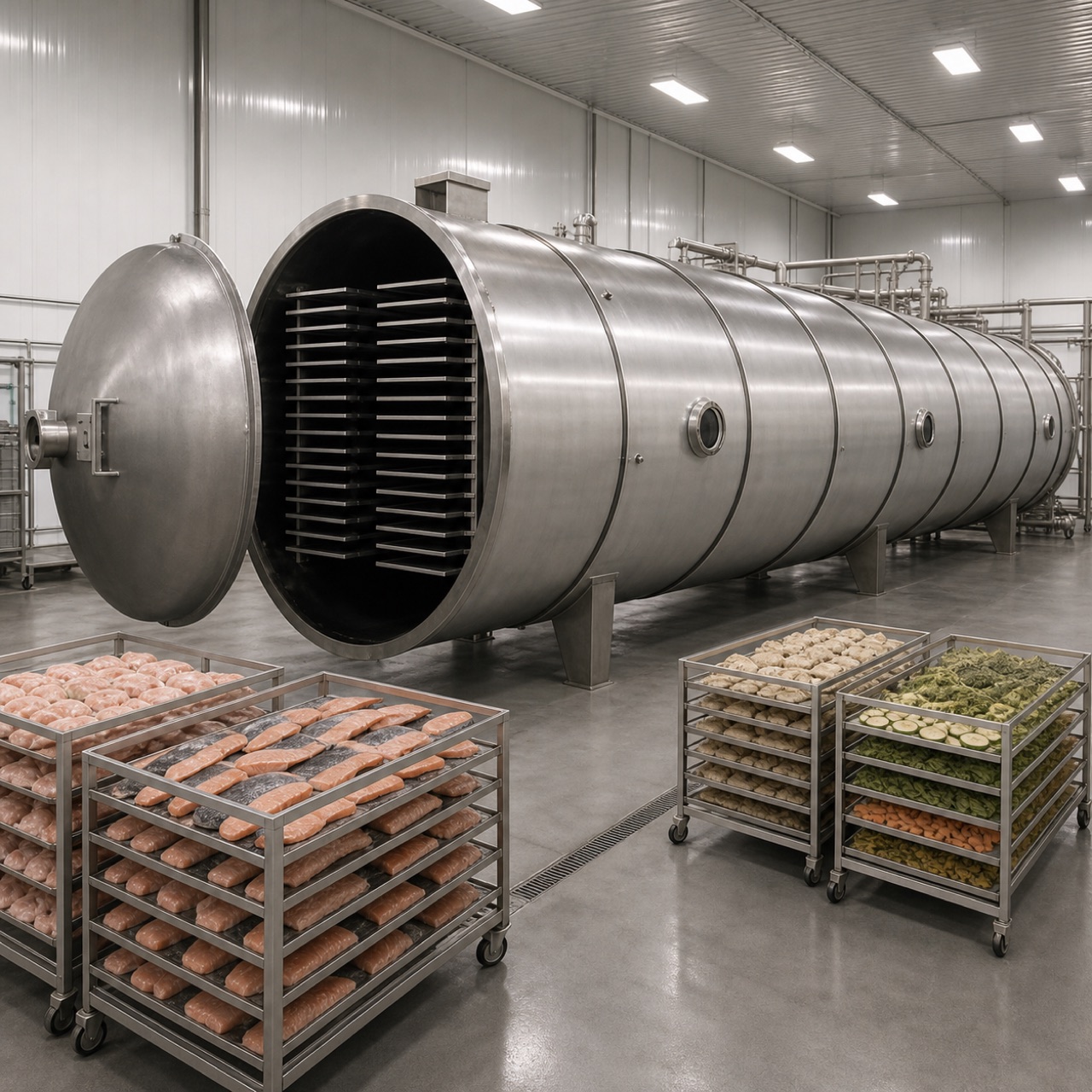
Control piece size, tray depth and loading map
The slowest point is often the center of the thickest or densest piece, not the tray surface. Set a dimensional range, weigh each tray and define whether pieces may touch or overlap. Liquids, minced formulations and sauces need a controlled fill depth. Record the cart and shelf map so edge, center, front and rear results can be compared.
Do not increase batch kilograms by piling material deeper after a cycle works. A deeper bed changes the vapor path and heat transfer, while the condenser still has to accept the additional water. Treat loading changes as process-development changes.
Pre-freeze completely and manage the frozen transfer
Use a freezing route that reaches the required product-center condition across the actual load. Separate pre-freezing can improve FFD utilization, but carts, doors and transfer time must prevent partial thawing, condensation or contamination. Keep raw and cooked product flows separate where the plant plan requires it.
Formulation matters. Salt, sugars and dissolved solids can depress freezing behavior; fat remains a separate phase. Product probes and defined holds provide more useful evidence than cold-room air temperature alone.
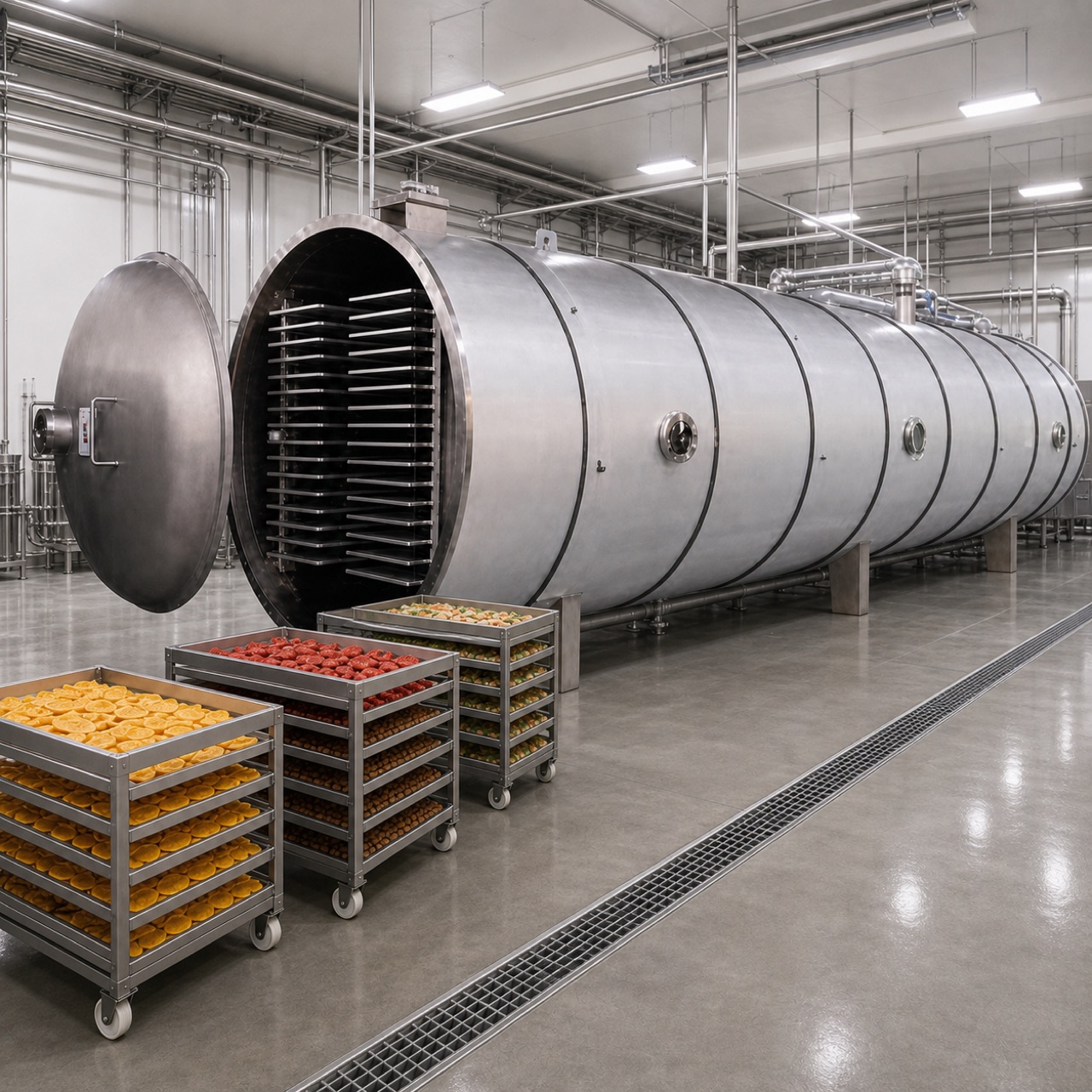
Balance vapor handling, fat and odor
Estimate removable water from the actual recipe, then confirm condenser capacity and peak vapor-flow margin. High-fat products may show surface oil, different heat transfer and greater oxidation sensitivity even when water removal is complete. Strong aromas can affect shared equipment and need a planned changeover.
Trend shelf or heating-medium temperature, representative product temperatures, chamber pressure and condenser behavior together. A dry-looking surface is not proof that the center has reached the defined endpoint.
Write a sanitation and changeover matrix
Map the soil and risk for every surface: trays, carts, chamber, door gasket, drain, tools and transfer route. Define disassembly, detergent or sanitizer compatibility, rinse, drying, inspection and verification. Pay attention to fats, proteins, allergens, drains, hinges, cart wheels and locations that are difficult to see.
Sequence products deliberately. Moving from cooked seafood to a non-allergen fruit product is different from moving between two similar fish recipes. Visual cleanliness alone may not be enough where allergen, raw-protein or microbiological controls require verification.
Package for moisture and oxygen risk
Prepare the packaging room before unloading. Use a verified moisture barrier and seal process; evaluate oxygen and light protection for high-fat fish, meat or organ products. Record unload-to-seal time, finished weight and the selected moisture or water-activity release check. Shelf-life claims require a study under the intended package and storage conditions.
Data to send for model selection
- Species, recipe, ingredient percentages and raw or cooked status.
- Incoming moisture and fat, prepared kilograms per batch and day, piece dimensions and kilograms per tray.
- Pre-freezing route, product-center evidence, target endpoint and planned batch frequency.
- Raw/cooked zoning, allergens, sanitation and changeover requirements.
- Package, oxygen-control strategy, installation country, utilities and room layout.
Also read the dedicated pet food freeze dryer production guide, the industrial food FFD operating guide, or send a protein-product load for engineering review.
Food-safety references
Frequently asked questions
Does freeze drying kill pathogens in raw meat or pet food?
Do not assume so. Freeze drying removes water but is not a universal lethality step. The producer needs a product- and market-specific food-safety plan with validated controls.
What determines meat or seafood freeze dryer capacity?
Species or recipe, moisture and fat, piece dimensions, kilograms and depth per tray, removable water, pre-freezing, cycle duration, condenser margin, sanitation and packaging rate all matter.
Can meat, seafood and fruit use the same cycle?
Not by default. Their composition, geometry, freezing behavior, endpoint and sanitation needs differ. Establish and document a cycle and loading pattern for each product family.
When should a pet-treat producer move from an H model to FFD?
Move after product, loading, cycle, sanitation, packaging and demand are repeatable enough to justify carts, separate pre-freezing, utilities and industrial batch handling.