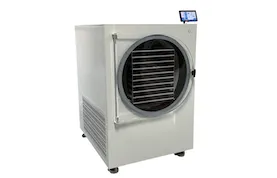
Households and farms
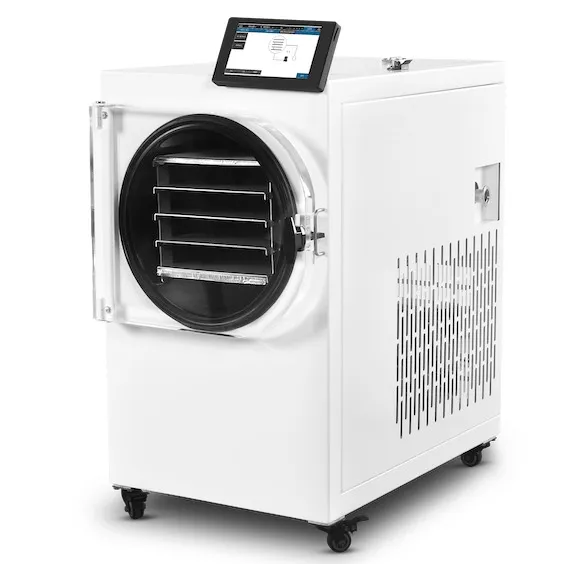
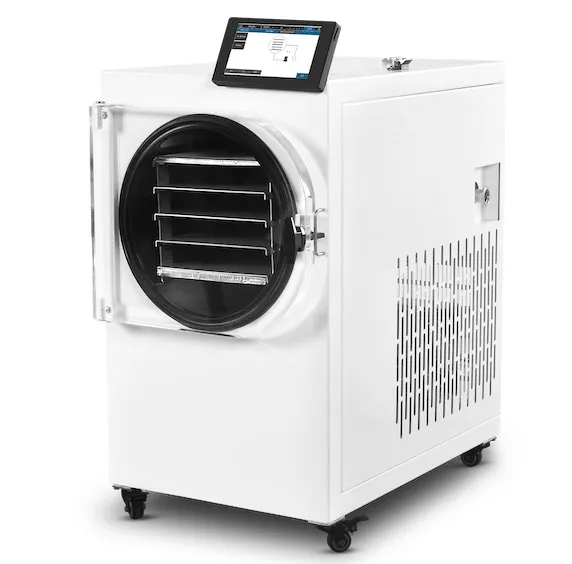
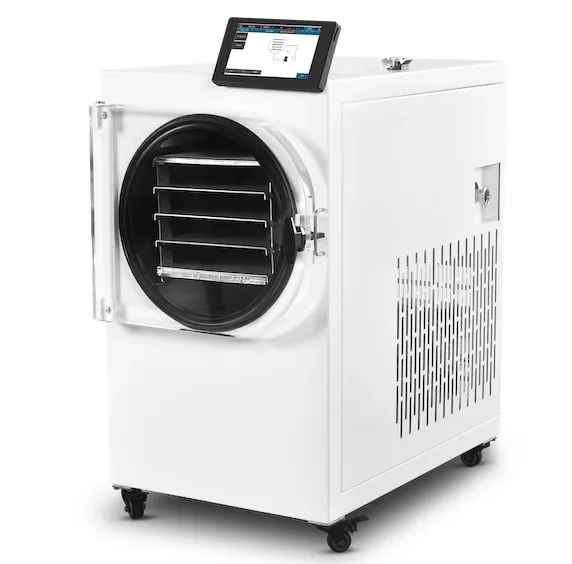
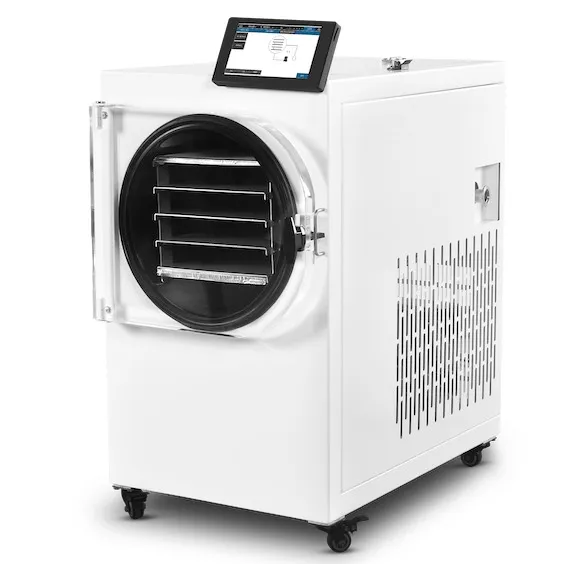
Preserve seasonal fruit, vegetables, herbs, prepared meals, and farm products in manageable batches.
Choose this range when flexibility, footprint, and product learning matter more than maximum daily throughput.
Preserve seasonal fruit, vegetables, herbs, prepared meals, and farm products in manageable batches.
Test slice thickness, formulations, cycle settings, packaging, texture, and rehydration before scale-up.
Produce early sales batches of candy, fruit snacks, pet treats, and specialty ingredients while demand is still developing.
Batch load is a fresh-material reference. Tray area and product thickness are often more useful for comparing real output.
| Model | Usable tray area | Reference fresh load | Best-fit stage | |
|---|---|---|---|---|
| SJ-05H | 0.48 m2 | 5-7 kg/batch | entry testing and low-volume production | View Model |
| SJ-08H | 0.81 m2 | 8-12 kg/batch | regular household use, product development, and early sales | View Model |
| SJ-10H Smart | 0.973 m2 | 10-15 kg/batch | repeatable product trials and small food-business batches | View Model |
| SJ-15H Smart | 1.45 m2 | 15-22 kg/batch | frequent small production and pre-commercial validation | View Model |
| SJ-20H Smart | 2.21 m2 | 20-30 kg/batch | micro-production, farm processing, and commercial readiness testing | View Model |
Good results depend on preparation and packaging as much as the machine.
Keep pieces and fill depths consistent so the center and edge of each tray finish at a similar time.
Fruit, candy, meat, cooked meals, and pet food differ in water content, sugar, fat, structure, and drying endpoint.
Freeze-dried food absorbs moisture quickly. Plan moisture-barrier packaging and sealing before the cycle ends.
The best model is large enough for realistic demand but small enough to run efficiently while the product and sales channel are still being proven.
Compare fresh kilograms, tray area, layer thickness, and expected cycles per week instead of chamber size alone.
Confirm voltage, current, ventilation, noise, pump location, drainage, and working clearance before ordering.
Review touchscreen recipes, manual control, monitoring, and update options for the intended operator.
Use repeatable H-series batch data to decide when the 30H, 35H, 50H, or FFD line becomes justified.
Open a model for exact tray layout, electrical options, dimensions, and its place in the 5-30 kg range.
食品凍乾機系統覆蓋 H 系列家用/小型設備、30H/35H/50H 商用設備與 FFD 工業生產線。
了解更多SJIALAB 將香港國際項目協調與中國寧波凍乾機製造團隊連接起來,為實驗室、中試、製藥 GMP、食品及工業項目提供凍乾設備。
了解更多Start with product thickness, tray area, fresh load per cycle, batches per week, available voltage, floor space, and the next year of expected sales.
No. These are reference fresh-material loads. Finished weight depends on starting water content and the final moisture target.
Yes. Candy, fruit, vegetables, pet treats, herbs, and prepared foods can be processed, but each needs its own preparation, loading, recipe, and packaging plan.
Use both. Kilograms are convenient, but usable tray area and layer thickness usually explain real capacity better across different foods.
Move when the H-series batch rhythm no longer meets regular orders, or when labor, packaging, and weekly output justify a larger production system.
It usually means a compact batch freeze dryer for household food preservation, farm products, recipe testing, or a very small food business. Confirm voltage, ventilation, pump arrangement, tray area, noise, drainage, packaging, and the intended weekly batch rhythm before treating it as a household appliance.
Send the food, fresh load per batch, piece thickness, expected cycles per week, voltage, and available space. We will narrow the choice to the practical models.